On Buying Books

I’m currently between books, which means that I am catching up on the pile of the Atlantic magazines sitting on my nightstand. While on my trip to the west coast, I found myself in lots of unique book stores, whereat I picked up several books. Typically, I read books on my iPad bought from Apple for around $10 – $15. Since you cannot buy ebooks at a book store, I found myself with several old-fashion dead-tree books.

It’s a nice feeling reading a real book. I can flip around more easily. I don’t need to charge your book. I’m not staring at an illuminated screen. I don’t get distracted by notifications or temptation to check email. There are of course downsides. I can’t look up a word by clicking on it. I don’t have an entire library at your fingertips. Navigating to the endnotes and back is finger acrobatics.

But overall I like reading paper books and my iPad has become painfully slow to use. So I’m switching to paper books—at least for now, noting that I typically alternative between books and ebooks every five years, n = 2.

So how do I buy books now? The books I picked up on my trip were from independent bookstores. They were priced higher than the Apple Books, and I suspected they were priced higher than on Amazon. Now that I need to get some books, I decided to take a deeper look.
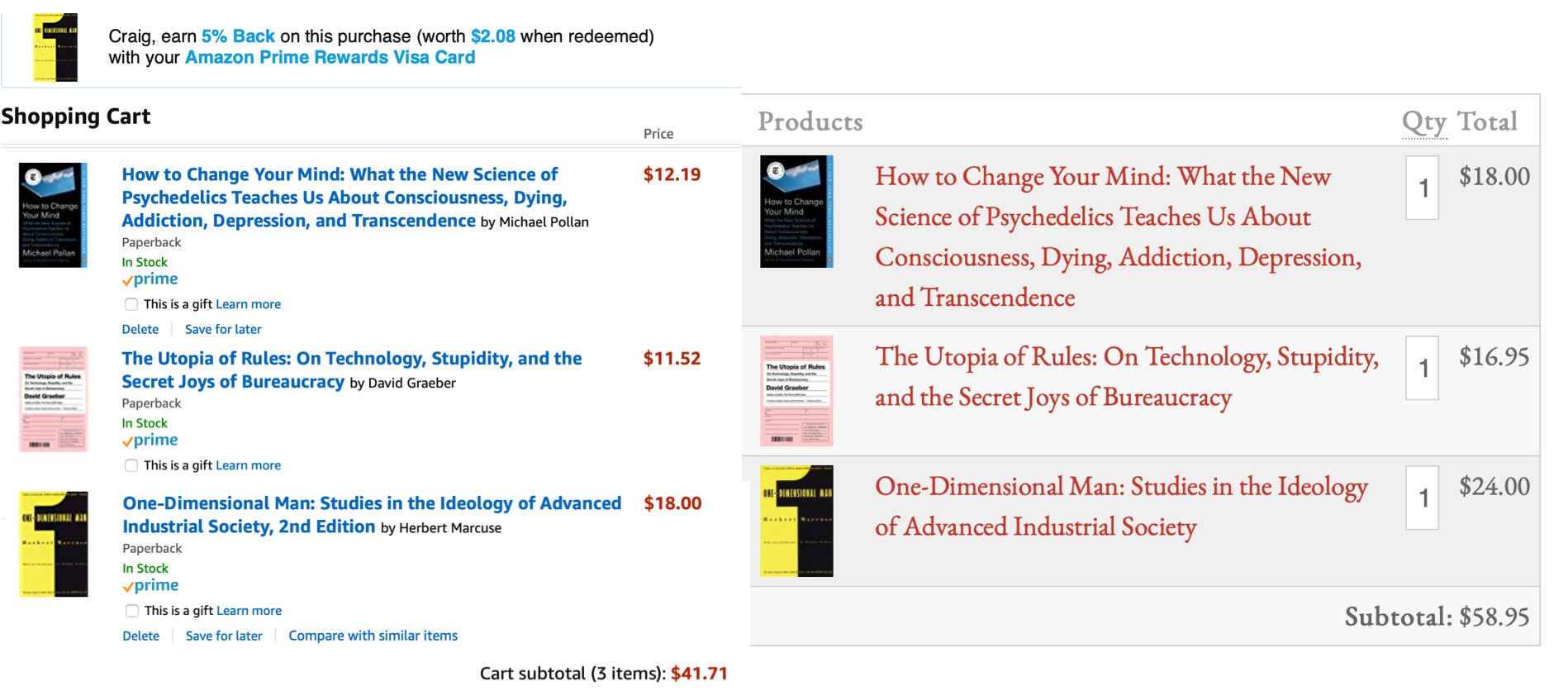
OK so here are three books that I want to get. It comes out to just under $40 on Amazon if I include the 5% back from my Amazon Prime credit card. Diving a bit deeper in to the math, based upon my 2018 spending at Amazon and Whole Foods balanced against the $120 cost of Prime, I end up getting a bit north of 3% back.

Compare this to Porter Square Book, my local independent bookstore. These books come out to just under $60, or about 50% more than Amazon. There are some other comparison points. Amazon has free two day shipping. For Porter Square Books, I (have to) go to the store to pick up the books in person—otherwise shipping is $10. I also figure it will take them a couple days to get Marcuse from their warehouse. Well, they are in the People’s Republic of Cambridge, so maybe Marcuse is on the shelves.

The short term cost difference here is a notable $20—or 50% more if you want to look at it that way. It’s a bit harder to measure the long-term cost difference, whether to me or to the community. On their website, Porter Square Books claims that 68% of the money I spend stays in the community compared to 43% if I use a national chain. I am not sure whether this comparison is to a brick and mortar store like Barnes and Noble or to Amazon. Things like creating local jobs and ensuring that the business tax dollars get reinvested in Cambridge are much harder to quantify. Amazon generally doesn’t pay any federal taxes, but they do pay state taxes. I’m not sure how their state tax rate compares to Porter Square Books and how much of that would actually go to Cambridge.

None of those things I described actually save me money now. I’m not actually sure any of these things would save me money later. The hardest to quantify part is how buying local and independent betters (or I guess worsens) communities. Perhaps these things are not meant to be quantified.

It’s hardly controversial to say that Amazon is evil, yet I, like so many others, have a Prime account and find the convenience of “free” two day shipping hard to resist. There’s even an Echo Dot in my apartment! And of course, many of the things Amazon has done are obviously not evil. Improvements to delivery logistics, data storage, and streaming have probably gone on to help people doing very good things. While I, on a medium to high horse, could ask “who really needs something delivered in two days?” I’d bet that reduced delivery times or cloud web services championed by Amazon have literally saved lives. And I don’t want to attempt to balance that against lives ruined or lost due to the “evil” parts of Amazon.

I can’t actually come to a conclusion which option costs less in the long term. Or rather I am not going to invest the time and make the assumptions necessary to do so. For what it’s worth, I bought the books from Porter Square Books. The $20 difference is roughly the cost of two drinks out at a bar, and I barely drink these days.

The cosmic joke here, I write now one day after drafting everything above, is that I need to get an older book before the weekend and the only way I can reasonably do so is to order it via Amazon. So both Amazon and Porter Square Books get my book business this week. Hah.
On Forgetting Faces

In the past three weeks I have had three extremely awkward experiences of running into people who I should know but could not remember. To cap it off, I listened to a podcast that helped put my mild not-actually-prosopagnosia face forgetfulness into context.

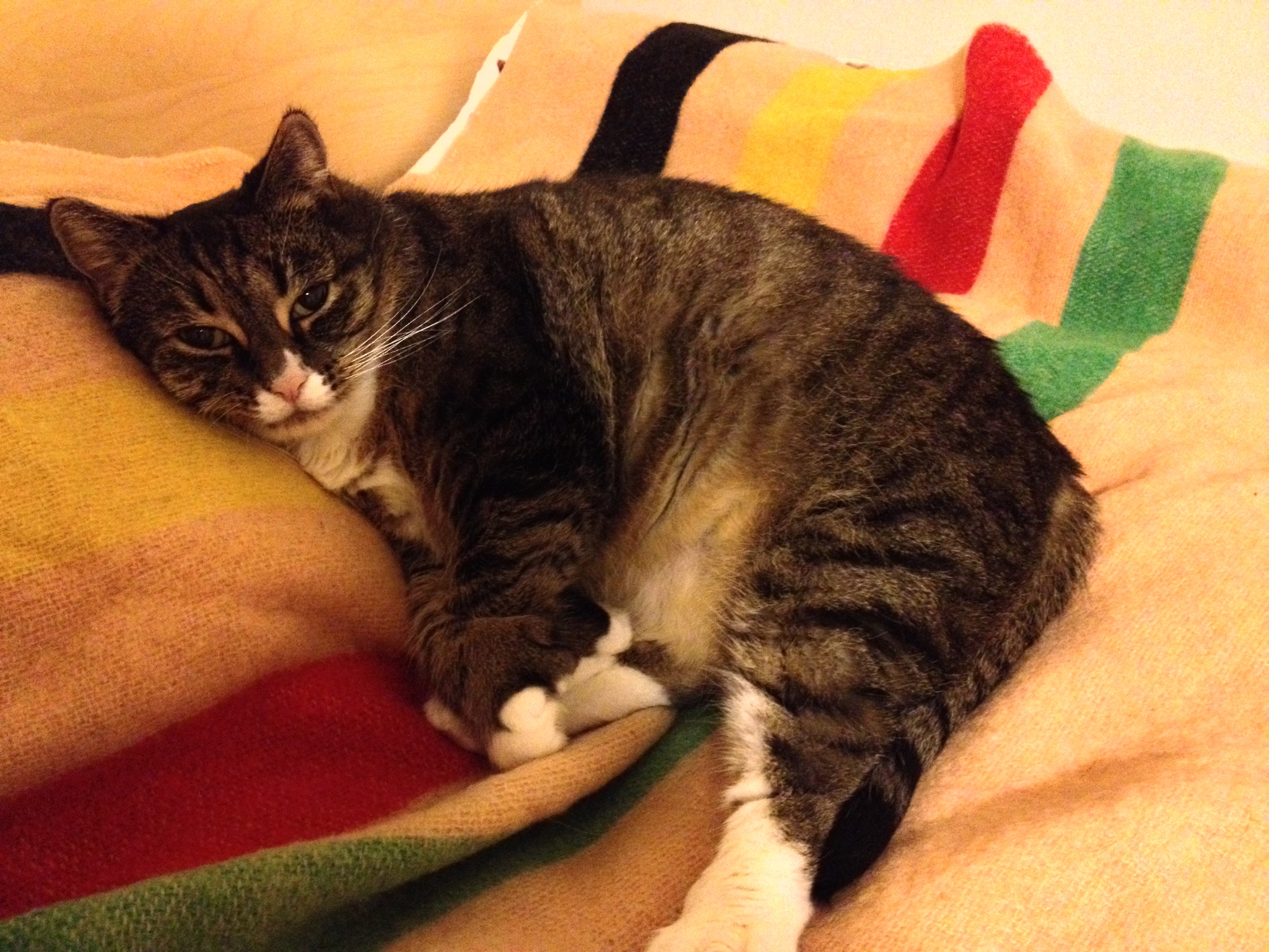
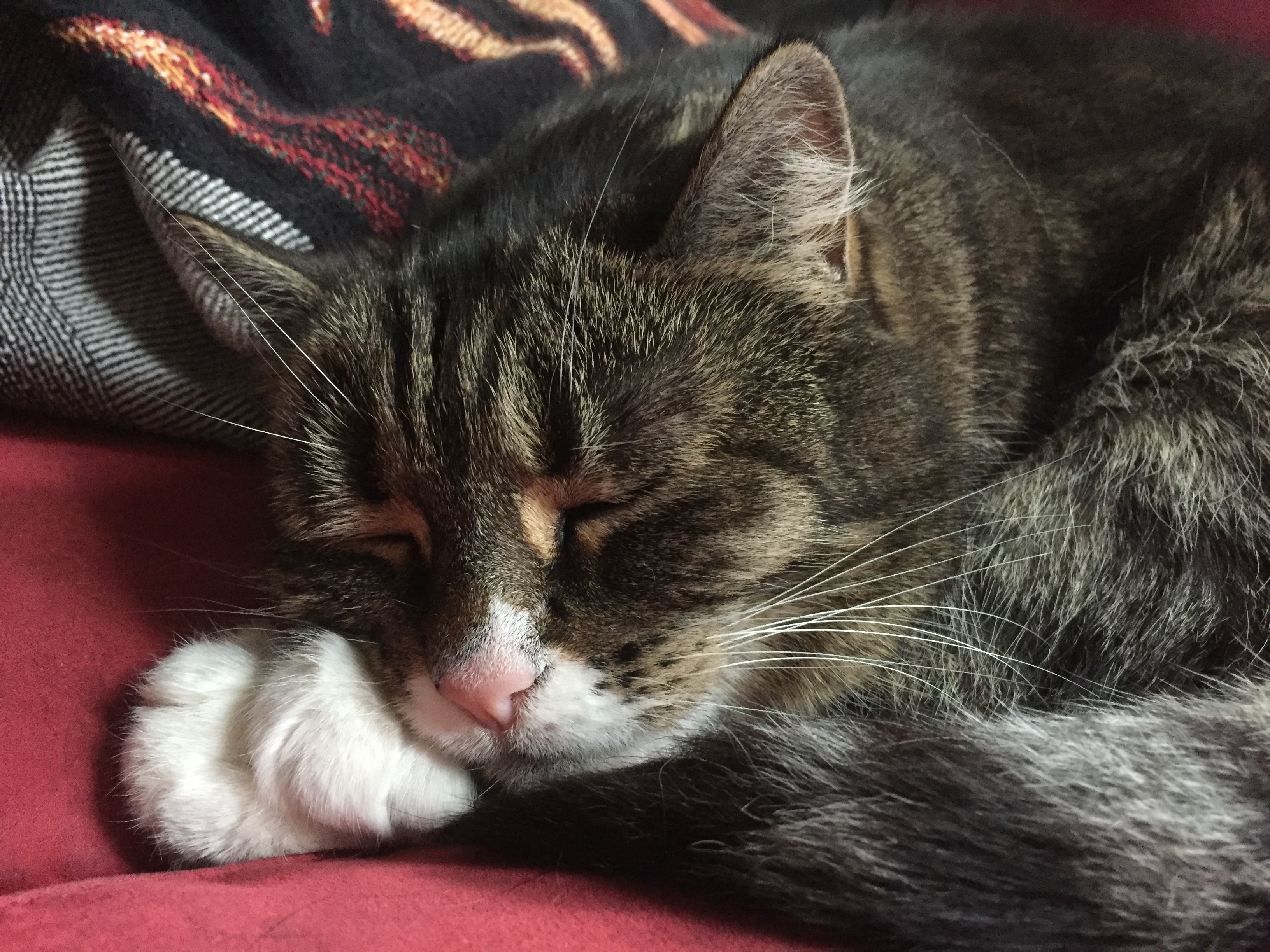
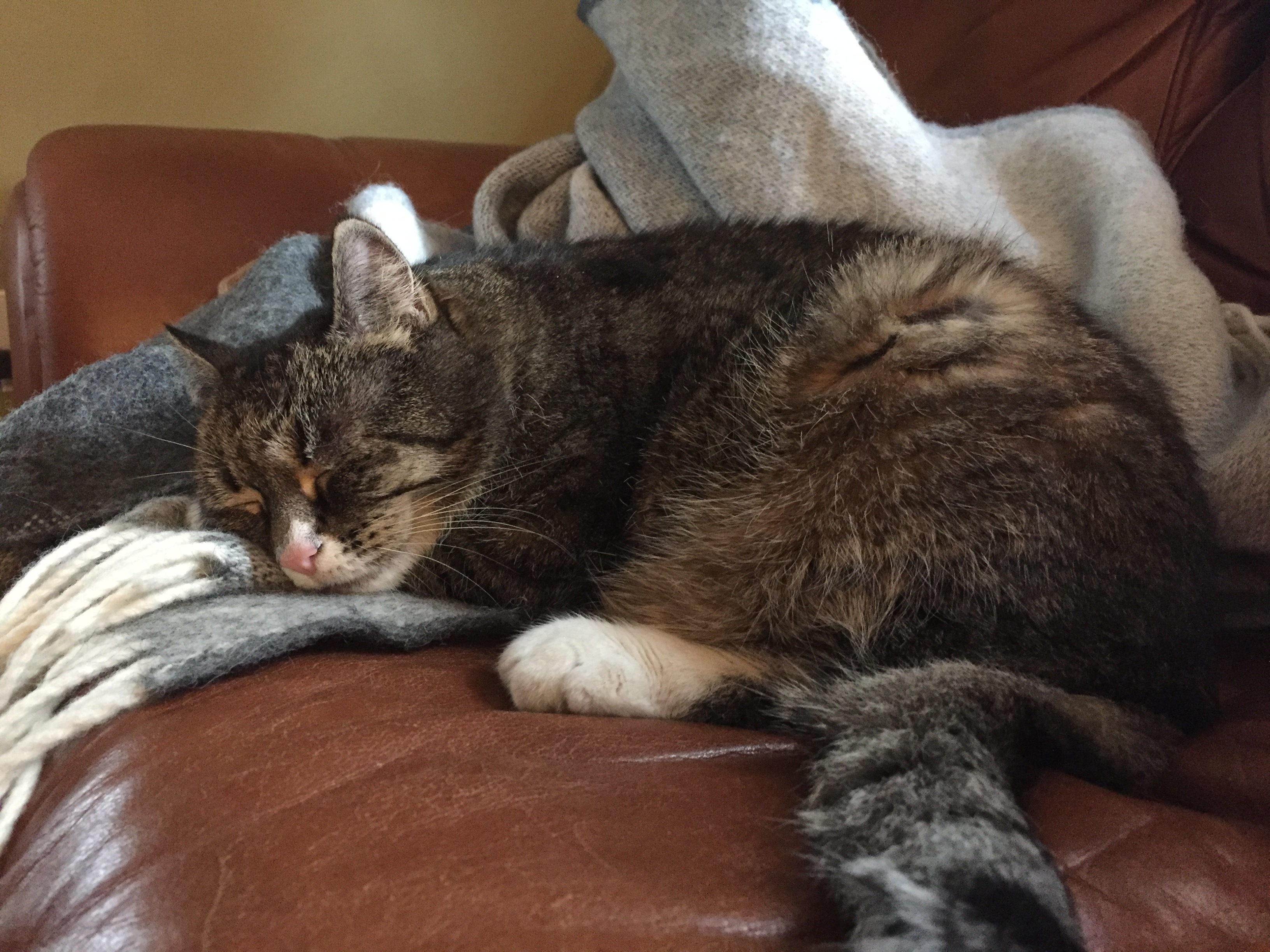
Unrelated: Aayla napping

At a conference, someone sitting in front of me greeted me by name and a smile, and I sat there with a deer-in-the-headlights face. After a second, he told me his first name, which did nothing to change my face. After another few second, as a look of mild disgust came over him, he told me his last name, and I remembered him. I had interviewed him twice for a mechanical engineering job. As I made some small talk, my mind slowly recalled some information about him.

Two weeks later, I am at a cocktail party at a friend’s office. Another friend, as we were walking to the party, commented that she feared she would run into someone she’d met many times before but had forgotten. However, it turned out to be me who had another instance of face forgetting. When I introduced myself to someone there, after she told me her name, I squinted, thinking that I’d met her before. She pointed out that we went hiking together last fall, and that I drove her along with two other people from Somerville to New Hampshire and back. Oops.

Fast forward just another two days and I’m getting brunch at a bar with a friend. One of the bartender exclaims “Craig”, and again I respond by looking like a deer in the headlights. This time, however, I just owned it. “You’re going to have to remind me who you are”. When he did, my mind was instantly flooding with information I recalled about him. So this scenario ended well.

I’m actually not sure the point of writing this post. Perhaps I want to make a comment about how the number of my personal and professional acquaintances has greatly exceeded Dunbar’s number, and my brain is failing under the load. Perhaps I’m just procrastinating over some other things I should be doing now. Or perhaps I am using this post as a catharsis to put the negative aspect of these experiences behind me.

Two weeks in

Yesterday ended my second week back at work after eight weeks away. It coincided with my first twelve hour workday since my return. Up until then, I had been pretty good at leaving the office at a regular time. (If I left the office before 5:10, I could make the earlier evening yoga class—the later one gets me home for dinner after 9). I still don’t have a project to work on just yet, though I’m getting closer.

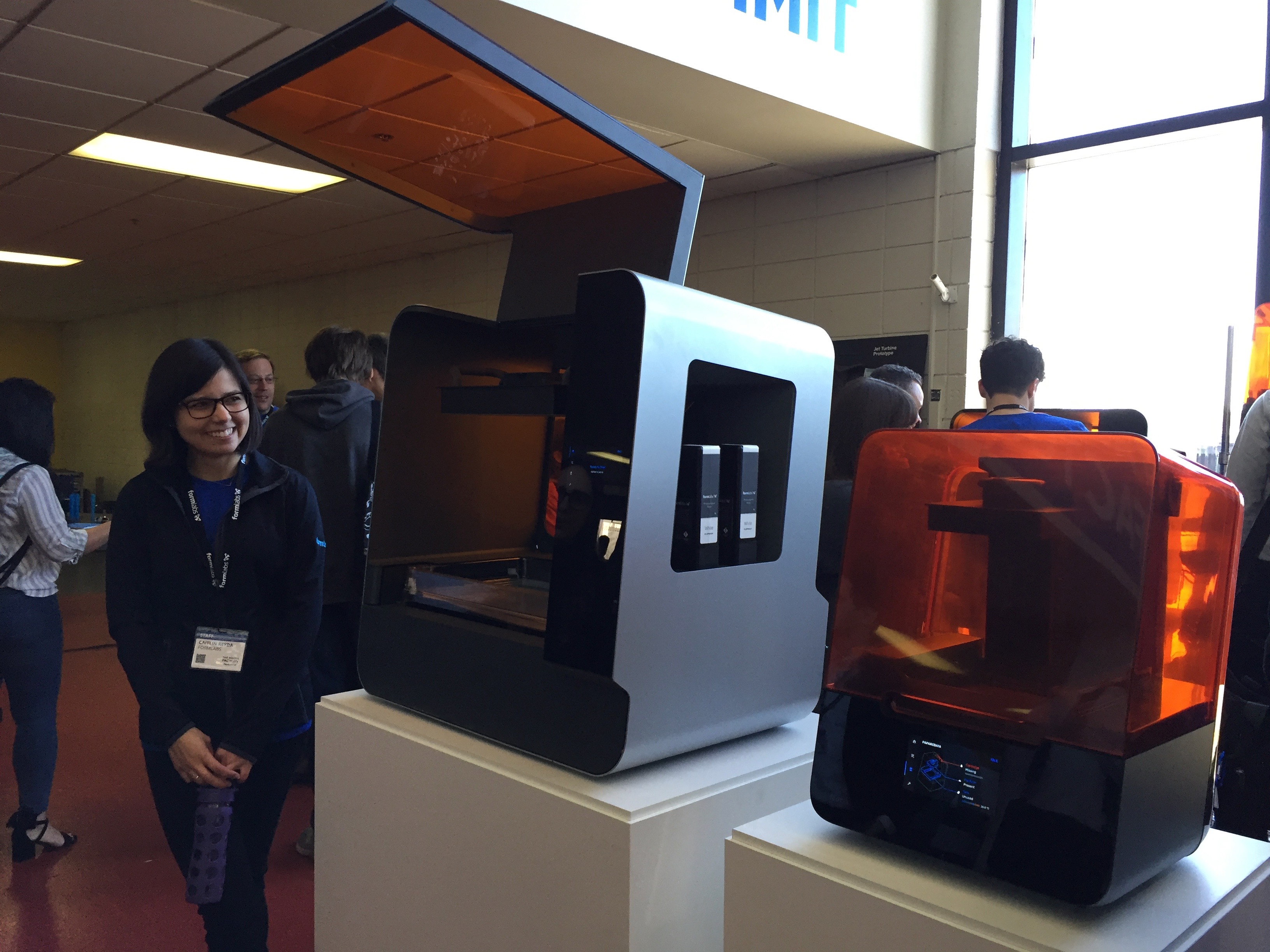
The Form 3 and Form 3L at the Digital Factory and Formlabs User Summit.

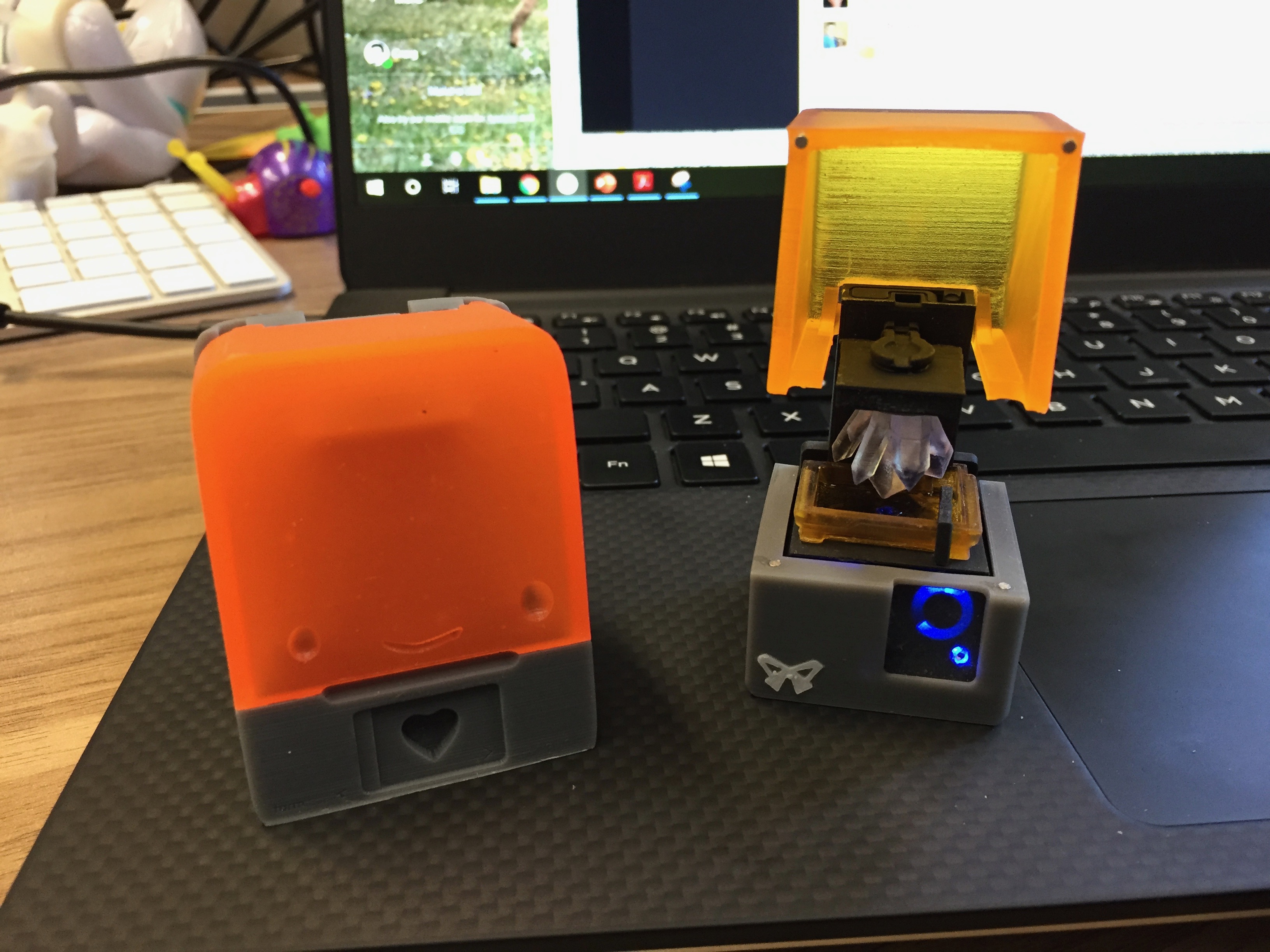
Perhaps I should back up a bit. On my first week back, I had two days of conferences at the seaport. The first, called the Digital Factory, brings “together CEOs, CTOs, and manufacturing leaders at our day-long executive summit”. I refer to these people as our “customer’s bosses”. Some of the talks were quite interesting, and the Formlabs CEO laid out a good vision for our company, explaining why our new product releases are in line with that vision. The next day was the Formlabs User Summer, where we bring together our customers to learn from them and share how people are using our products. Generally I find this day more fun, as I get to meet with the people who love using our printers and can share their feedback. It was great to see the person who makes the BabyForm2, whom I had met at the previous user summit in 2017. It was also great to see so many coworkers and former coworkers who were at the conferences.

BabyForm2 alongside a mini Form 3.

Armed with a Moleskine notebook and a pen, I furiously began taking notes on my observations, hoping to inform what I should be working on next. With a fresh perspective from eight weeks of no work whatsoever, I wrote down the feedback of customers and ideas from the talks. More interestingly, I could get first impressions of the Form 3 and understand what aspects of the machine got people excited and what didn’t.

My Moleskine followed me to the office, where I spent much of my time talking to various people about what’s changed since I left, what’s going well, what isn’t going well, and how I can best help. I ended up pulling on more threads than I originally expected, filling up nearly half the notebook in less than two weeks.

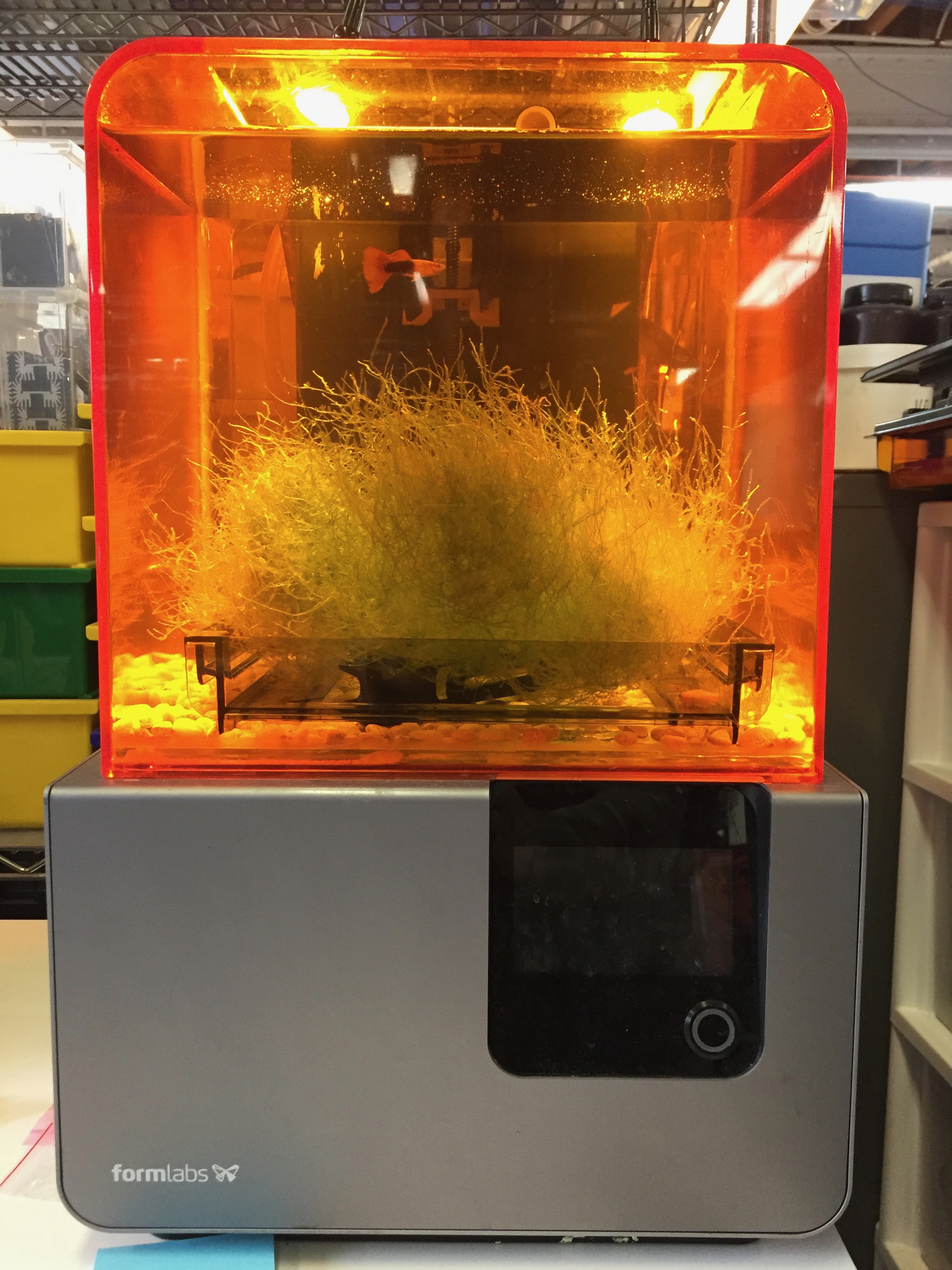
This Form 2 shell was turned into an aquarium. Can you spot the two fish?

Most people I talked to were pretty busy—a concept that I had basically forgotten about—so I found myself with a decent amount of downtime. I filled some of that time by running comparison prints between the Form 2, the Form 3, and what our testing engineer said is our strongest competitor in terms of print quality. Essentially, this means that I printed a lot of snails.

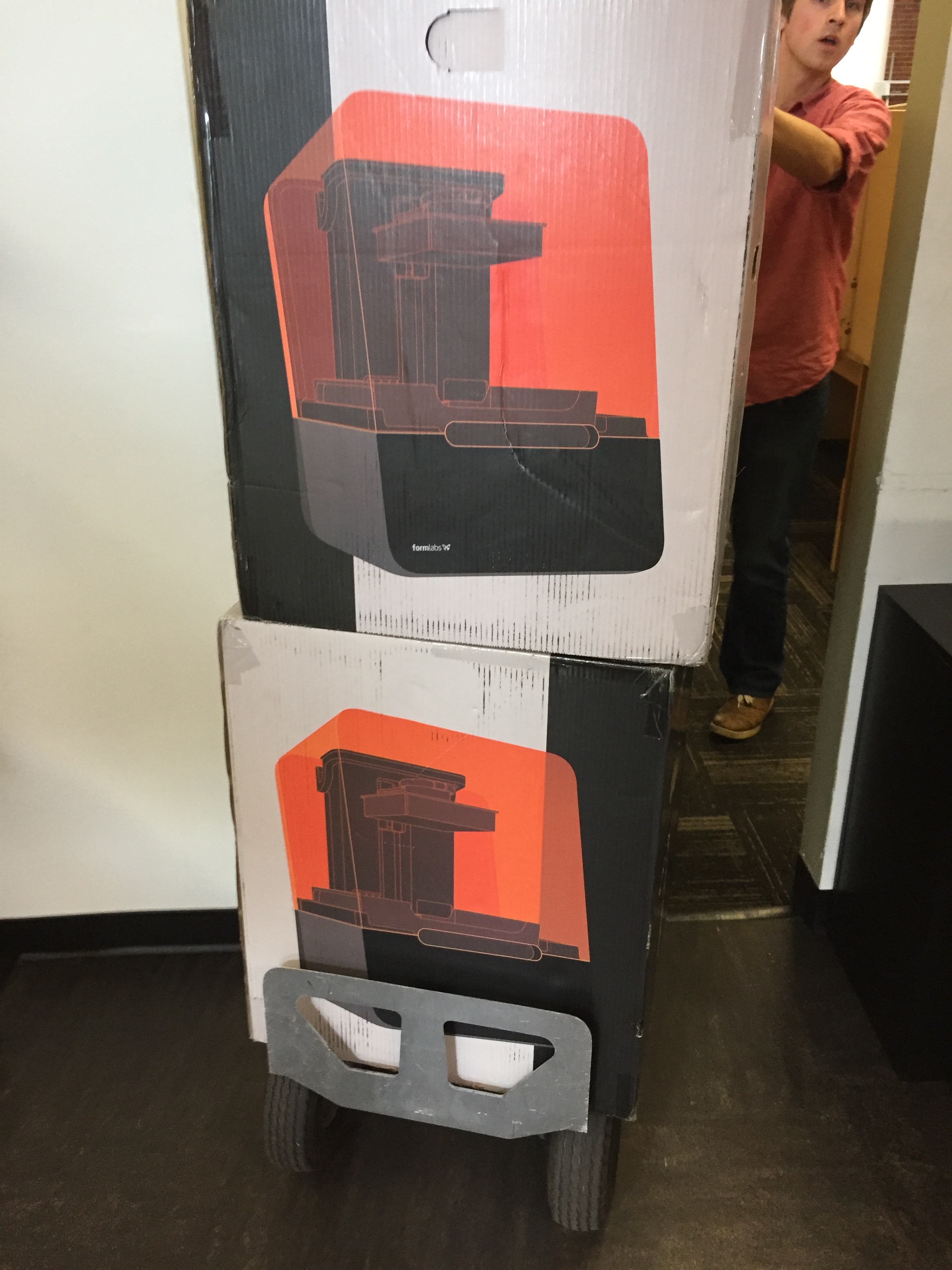
Form 3 printers incoming!

So what kept me at the office for twelve hours last night? A few things. I was running more comparison prints using the Form 3 and I was printing a few hybrid snails using elastic and rigid resins. Lastly, I was assigned a small task (just before 5pm) to develop a small part to help with wire routing for a project. As vacuum forming is one of my favorite fabrication techniques, I thought that I would get started right away. I quickly whipped up a design that meets the requirements and started a print of 5 prototypes using durable resin on the Form 2—my Form 3 was occupied at the time.

Come end of day Monday, I should have a better idea of what project I’ll be working on next. Based upon my eagerness to get to work on this small wire routing flap, I’m ready for more.

On Doing Nothing and Returning to Work

Today was my first day back to work. It felt good to be back. My desk was roughly in the same shape as I left it. The only change was the new glass bottle with silicone lid (the one I got in Napa Valley) that I brought it for drinking water and avoiding falling brick dust as is common near my desk.

I am in a strangely unique position at work right now. Before I left, I handed off much of my role to a coworker permanently. I come back with no defined role, and I am spending the next few days on my own, talking to peers, and talking to company leadership to craft my new job. I’m quite lucky in this regard to have such a say in what I can work on next.

Seeing my coworkers again for the first time in eight weeks was a joy. I waved to many in the hallway and was welcomed back by many in passing. While many of the exchanges were the same—”Welcome back! How was your trip?” “Good. I saw most of the west coast”—it was wonderful nonetheless to reconnect with so many friends and peers.

It only took me only a couple hours to go through those 50 emails, which I finished before lunch. After that, I began to catch up with many of the engineering and product teams to learn about the state of the Form 3 and Form 3L, which we launched at the beginning of April, as well as anything else I missed over the past eight weeks. I read through many documents and presentations, and I scheduled meetings with various coworkers to fill in any remaining blacks.

The office is rather hectic right now, as we are hosting the Digital Factory tomorrow and the Formlabs User Summit on Wednesday at the seaport—that and we just launched two major products. As many of the company leaders are occupied with these conferences for the next few days (so we won’t be talking about me) and as I currently have a clear mind, I will be going to these conferences too. I see no better way to ease back into work than by talking to our customers at the User Summit and by learning about what industry executives expect from 3D printing at the Digital Factory.

After a nice day back at work, one of my friends sent me a link to an article in the New York Times: The Case for Doing Nothing. Actually he sent me a message to an Instagram post “I’ve screenshot my favorite @nytimes headlines of the past 7 days” in which this article was featured. The article is fun and the somewhat charged headline is a bit of an overstatement.

No, it is not advocating just doing nothing all the time. Rather, it talks about the benefits of not trying to be always busy, as we so often do in the culture I inhabit. I’ve written a bit in the past about trying to avoid busyness and being OK doing nothing, so this article felt warmly familiar to my thinking.

Over the past two weeks or so, I’ve done a decent amount of nothing. Sure, I’ve reconnected with friends and family, watched a bunch of Marvel movies, and filled plenty of time reading. But there were also times were I just sat around and didn’t do much anything at all. Maybe my cat fell asleep on me for an hour and I didn’t want to get up. Or maybe I just stared outside the window at the clouds and rain. I’ve enjoyed the relaxation and stress-fighting effects that this idleness fosters.

As I return to work and the world of the busy, I am beginning to think more about how I can strike a good balance between useful productivity and stress-free tranquility. I know that one cannot exist without the other for any reasonable amount of time. If I do too much work, I become stressed and my productivity drops. Conversely if I don’t do any work for too long, I become stressed as well.

While I still am enjoying the post-sabbatical glow, I will be thinking about how I can retain this joyous feeling while contributing valuable and unique work. The goal ultimately, is to find a way to do my best and most fulfilling work, striking a balance that is sustainable for days, weeks, months, and years.

York Homestead

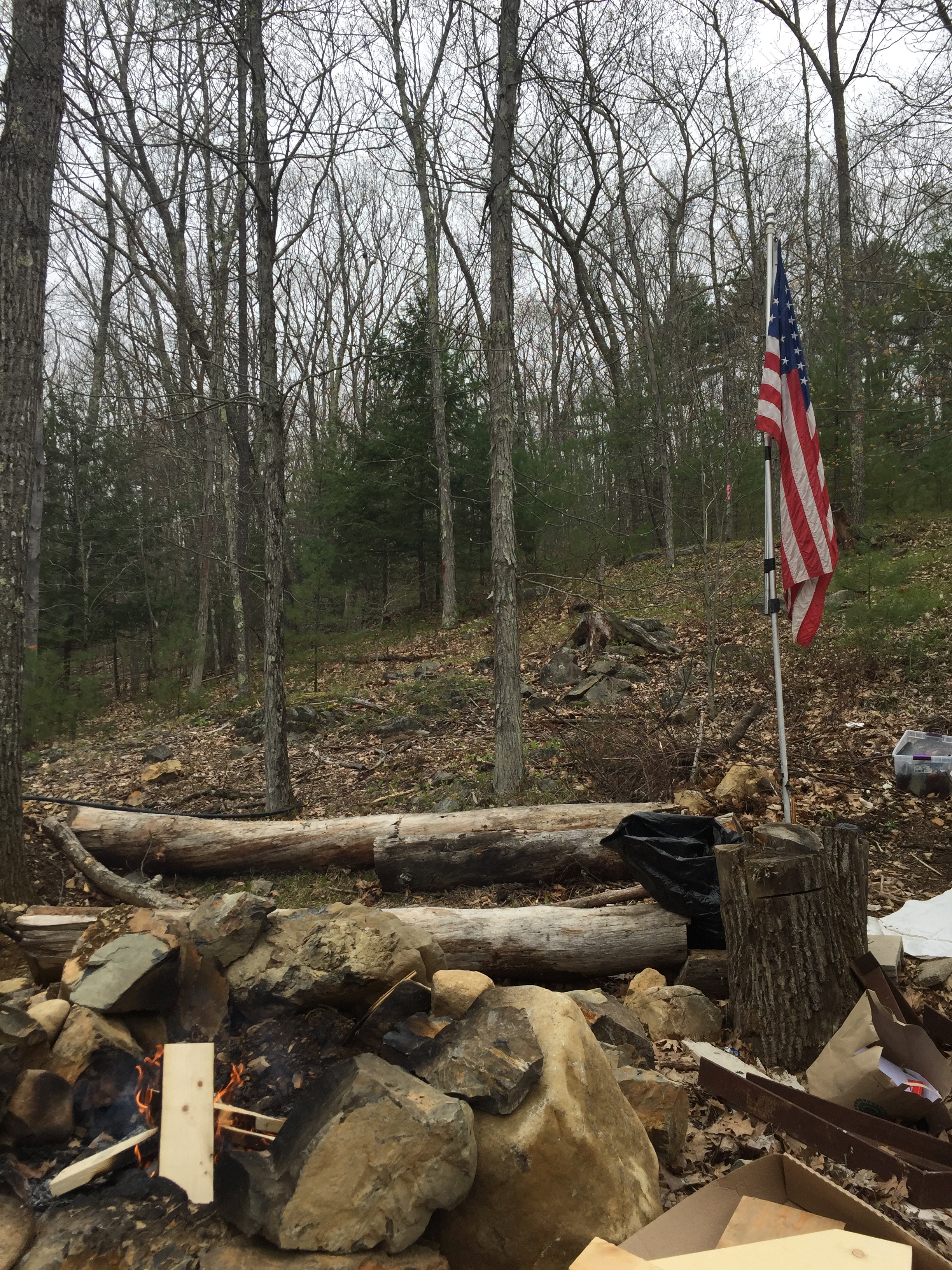
My cousin and his wife are building a home in York, Maine. Seeing as no rain was expected for the day, a visit seemed to be fitting for my last day before returning to work. Their land is not too far from the highway, but it feels reasonably remote. Walking to the back of the property, you’re isolated from everything—you can’t even see the house. The wildlife cam has spotted deer, turkeys, and a lost hiker.

When I got home, I signed into my work email for the first time in eight weeks. I only had about 600 messages, which I whittled down to 50 in almost no time.

Fireplace in the back
Fluke was tired after a long day of fetch and digging in the sand

Budgeting for a Six Week Trip

I keep track of all of my expenses using a spreadsheet and a Google Form that I manually fill out each time I spent or earn. As a result, it was very easy to track how I spent money during my six weeks on the west coast.

Going into the trip, I really had no idea how much it would cost. While I wanted to be somewhat frugal while not earning a salary, I also knew that I wanted to take full advantage of opportunities on this trip. I shied away from saving a few dollars if it meant missing out on something great.

Ultimately, the trip cost less than I was expecting, mostly because I was able to stay with family and friends so many of the nights. I spent only seven nights in hotels, cabins, or B&B’s.

Travel

The biggest expense, by far, was the car. I rented a “full-size” from Enterprise for exactly four weeks. A full-size sedan is above economy, compact, standard, and intermediate. It’s below premium, luxury, full-size elite, premium special, convertible, and sporty. There are lots of types of cars that you can rent. I went for something near the middle because I didn’t want to feel every bump on the road during the 2,200+ miles I’d be driving.

I ended up with a 2019 Ford Fusion. It drove fine, got decent fuel efficiency, and had Apple CarPlay, which was a big win. The rental came out to $800 for the four weeks, plus $400 for the one-way trip. With taxes and fees, the total was $1400. A friend of mine who did a similar trip on the pacific coast highway, bought and sold a car for a loss of about $1400. So I’d say I did just fine, plus I didn’t have the stress of buying and selling. Granted, I didn’t have a luxury convertible, but it was too cold for that this time of year.

Gas costs a lot more on the west coast than it does in New England. To fuel my 2,200+ miles, I spent a bit over $300 on gas. Insurance was $150. Parking and tolls ran me $90. Surprisingly, my only toll was the bridge out of Oakland.

Next came airfare. I had three flights: Boston to San Francisco, San Francisco to Palm Springs, Seattle to Boston. The last flight I bought with points, so I only paid fees and for my checked bag. Total: $435.

For accommodations, I used HotelTonight.com and Airbnb. Shortly after my return home, Airbnb announced that it bought HotelTonight. Both sites were easy to use and I was able to book places to stay roughly a day in advance. I spent roughly $100 – $150 per night, with the two nights in the cabin in the forest running $200 per night. Short of going to a hostel or staying far from the coast, I’m not sure I could have found accommodations much cheaper than $100 per night. Everything’s pretty pricy there. My total for the seven nights came to just above $1000.

Altogether these travel expenses totaled $2737

Food and Drink

The next largest expense was food and drink. I spent most of my meals at restaurants, which got pretty tiring after a month. Restaurants are also not cheap, especially in California, bringing my bill to $1000. Another $80 was spent on food in grocery stores, including two salad meals. At restaurants and bars, I spent $85 on booze—not that much all things considered. Lastly, $400 was spent at cafés, which includes coffee, juice, ice cream, and croissants.

Altogether I spent $1565 on food and drink.

Recreation and Entertainment

This category is sort of a hodgepodge of spending not related to essentials. Fitness, for example, comes out to $272. It includes things like yoga classes, lift tickets, ski rental, and trekking poles. Entertainment, $409, includes wine tastings, bike rentals, movie tickets, and park entrance fees.

Since I spent much of my time outdoors with friends or on my own, this category did not come out notably high: $681.

Shopping and Gifts

Roughly 6% of trip spending was at REI. There was other shopping, both for myself and as gifts for friends and family. I spent $53 on essentials like soap, sunscreen, first aid kit, and toothpaste. OK, most gifts were in the form on chocolate from Dick Taylors in Eureka: a whopping $90. On books, I spent $44 after browsing some great local bookstores in the Pacific Northwest. Entirely from REI, I spent $400 on hiking and “roughing-it” clothes and gear. My Bluetooth speaker, which proved extremely wonderful in the mornings and evenings, was $70 from Bose. Another $130 went into things that I didn’t really need, like an Apple-branded tote bag, an ammonite fossil from a taxidermy shop in Portland, CBD oil infused coffee from the Oregon coast, and a headlamp—which turned out to actually be quite useful.

Adding this all up, we get $787. OK, I guess this came out to more than recreation and entertainment. I guess there’s more consumer capitalism in my blood than I previously thought.

Keeping the Lights On

In addition to all of my trip spending, I also had recurring spending to keep the lights on back home, both literally and metaphorically. Subscriptions, the bane of all millennials, ran me a modest $45, plus $52 for my phone plan. And then there was rent, utilities, and insurance, plus a few other places that have my credit card on record and like to charge it every month.

Subtracting out these monthly home and recurring expenses, the trip cost me a delightfully satanic $6606, or about $150 per day. If I were to compare this number to my typical at home spending on shopping, entertainment, and food over a similar six week period, the trip spending would of course be higher, but not dreadfully so.

For anyone looking to do a similar trip, I recommend staying with family and friends as much as possible. Not only is it a great cost-savings measure, but you get to spend time with family and friends and explore new places with people that know those places well.

It was a great privilege to take this trip, both from the perspective of being able to take a leave of absence from work, having the savings that I could afford to do it, and having so many family and friends willing to take me in for a couple nights. If you’re interested in doing a trip like this one, I hope you find this breakdown useful.

Friends don’t let Friends read David Brooks

November 9, 2016. The day I quit twitter. The day I subscribed to the New York Times.

Originally, I enjoyed the Opinion Pages, particularly the Editorial Board, Paul Krugman, Charles M. Blow, and David Brooks. There was something about Brooks’ writing that was intriguing yet gentle. He wrote with a soft, conservative tone—something I couldn’t say for Krugman and especially not for Blow—in an approachable, almost Socratic way. He does this, I later discovered, by employing stereotypes, presenting false claims as facts, and generally misrepresenting data in a way that is easily digestible. It took a while before I realized that Brooks’ was often saying nothing of value or absurdities, such as his now infamous “Abortion Memo“, which was widely panned and criticized when published in early 2018.

(For those wondering about how I get my news now, Jamelle Bouie has replaced David Brooks in my consumption, and paid subscriptions to The Atlantic, The Intercept, and the Wikipedia Current Events Portal has supplemented the New York Times.)

So when I was sent a David Brooks article by a friend several weeks ago, I was very hesitant to click on the link. The op-ed is called Five Lies Our Culture Tells, and it began by Brooks writing that he was basically wrong about much of what he was preaching during the Obama years. Off to a good start.

If I were to strip away the politics of the day and try to distill the difference between liberal and conservative thought, I would say that one side views issues using a lens favoring individual, equitable access to opportunity where the other favors societal cohesion and flourishing. In this light, David Brooks may have some good thoughts about these issues relating to aspirations within a divided and unhealthy culture. I read on. He described these five lies that our culture tells us as:

  • Career success is fulfilling
  • I can make myself happy
  • Life is an individual journey
  • You have to find your own truth
  • Rich and successful people are worth more than poorer and less successful people

OK, where am I going with this? This isn’t a post about politics, though I have already written here about politics more than I typically like to. This isn’t a post where I am going to be discussing or critiquing what Brooks has to say in his op-ed. Rather, the post relates to more things I learned while traveling up the west coast, particularly during the beginning of my journey into the Pacific Northwest.

When I was sent this article, I was nearing the end of my travels, spending much time alone, alternating between painful loneliness and glorious solitude. The journey was a form of wanderlust, a proto-digital nomad quest. In some ways, it embraced the notion of Brooks’ middle three “lies”: I can make myself happy, life is an individual journey, and you can find your own truth.

Much of modern culture centers around individuals, their hero’s journeys, successes, and failures. With mobile internet, anyone can share and consume virtually any content they like. On this trip, I wrote these blog posts and shared bad selfies on Instagram. While I had and have no ambitions about the reception of my content, they were certainly created revolving around an individual, me. That I be alone and without attachments was almost required to embark on this trip. There’s a sense of wild freedom from being able to pick up and take off whenever, wherever.

On the other side of things, this sense of freedom or this lack of roots can leave one feeling hollow in the long run. Typically, wanderlust is associated with people in their early 20’s who are just leaving home.

The hero’s journey is not always good for the hero. You never see what happens to the hero after the movie or book is over. You don’t see the context around every picturesque Instagram post. I have one friend who posts gorgeous pictures of himself traveling all over the world. One comes to mind where he is on some cliff in Hawaii playing the guitar. All I thought was, “so you hiked miles by yourself lugging a guitar and DSLR camera, spent who knows how long setting up the shot and then editing the photo, just so you could get one picture of you nonchalantly appearing to play music in paradise? That sounds awful.”

Shortly after graduating college, in a conversation about the merits of grad school, my dad mentioned to me that my priorities would change as I aged. I didn’t believe him. I thought that my goals, ambition, and mindset were pretty much solid at that point. And I was 100% wrong. In just the past ten years or so, many of my priorities have changed. It was during this solo journey that I could reflect on it and near the end of it know that I am ready to return to work and home and the other obligations of living in a society.

Yes, growing roots and creating connections to a place will in fact make it harder to pick up and take off at the drop of a dime. But the meaning created in building a life and community can certainly offset that freedom. In fact, the effort spent in building these relationships and communities that require constant upkeep is part of what makes them so valuable.

So for the next four days I will continue to sleep in and fill my waking time with books and Marvel movies. After that I will return to work and see what I can build and maintain next.

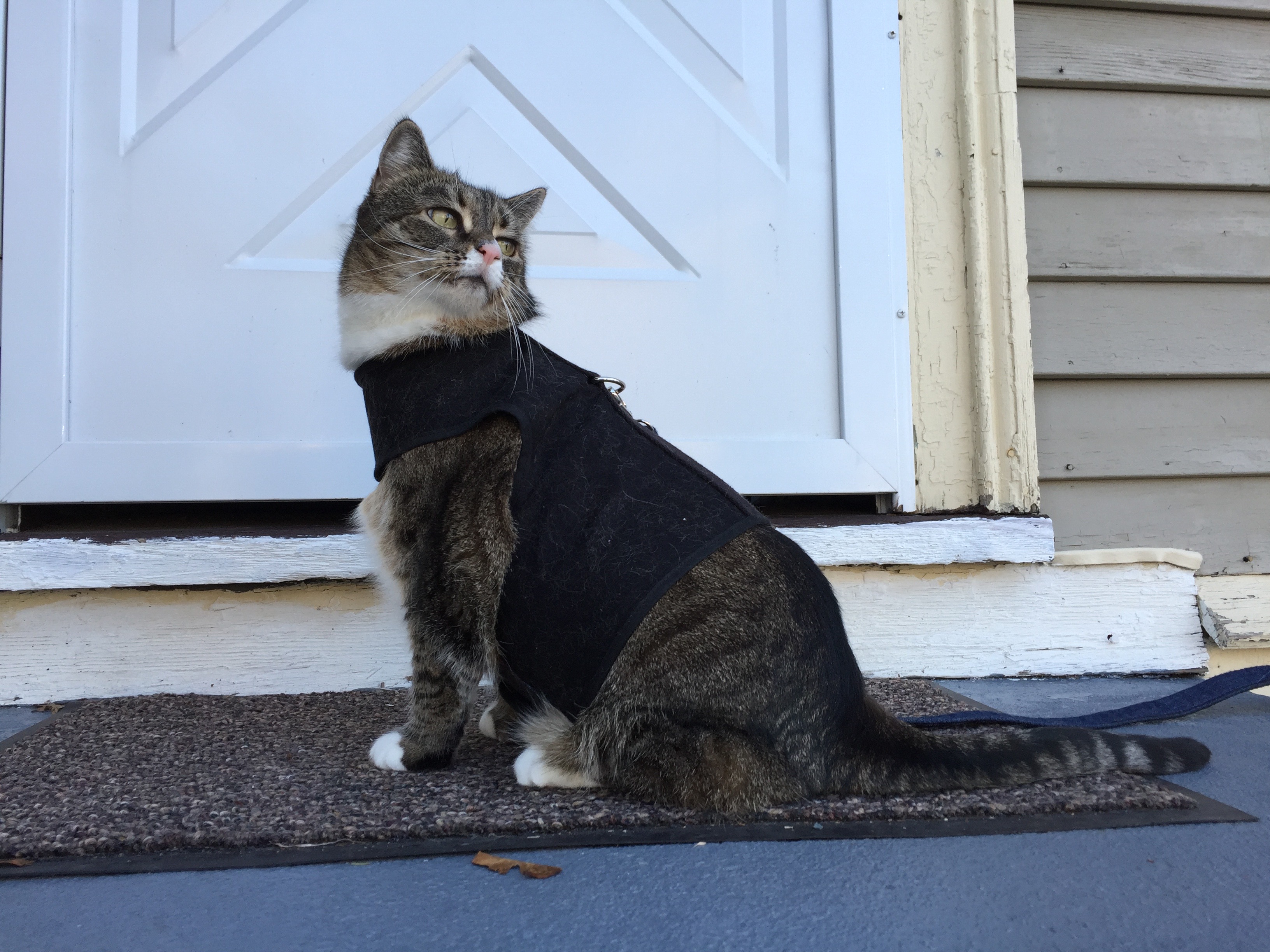
Aayla is Celebrating her 14th Birthday

I’m not exactly sure when her birthday is, but it’s roughly four weeks before she was adopted from the animal shelter. Aayla is a wonderful cat. Her hobbies include sleeping, eating, and cuddling—usually while purring and drooling. Though a large cat, she is surprisingly fast, especially when she is chasing a treat, sneaking out the door, or escaping the vet.

Her favorite time of the day is bedtime, when she will cuddle up next to me and sleep for the whole night. She is a very loud snorer, but she doesn’t begin snoring until after she completes her routine of purring and then heavy breathing.

When she was a kitten, she ate everything in sight and got a stomach blockage. She required major stomach surgery to remove the blockage and subsequently ballooned to 23 pounds. After several years on a diet, she dropped to 14 pounds and regained much of her energy.

We are very close, and she spends much of her time following me around the house or, when I am not home, napping. Aayla is an extremely friendly cat and loves meeting new people. She will let you pet her soft white tummy twice, but if you try to rub it three times she will attack.

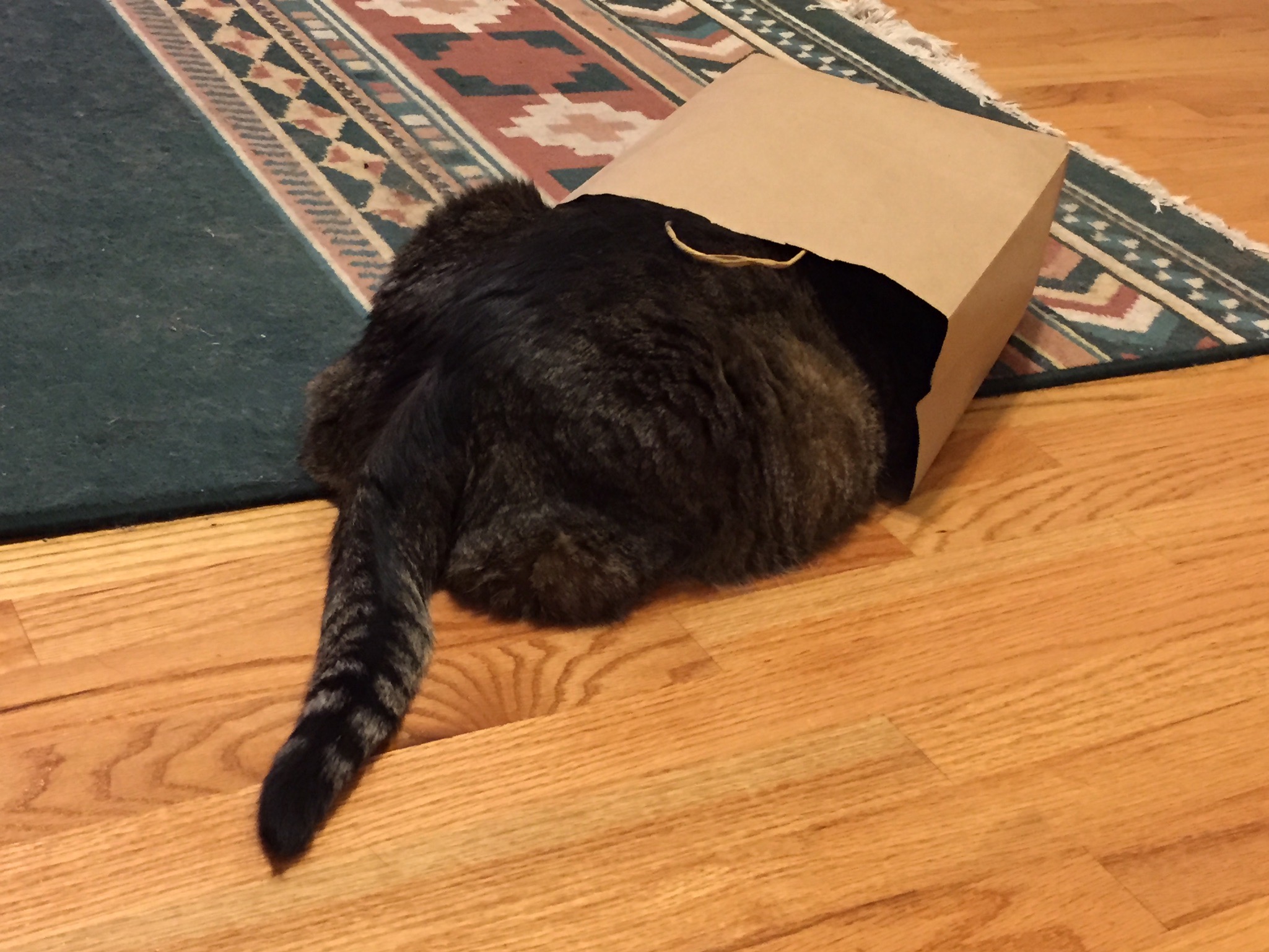
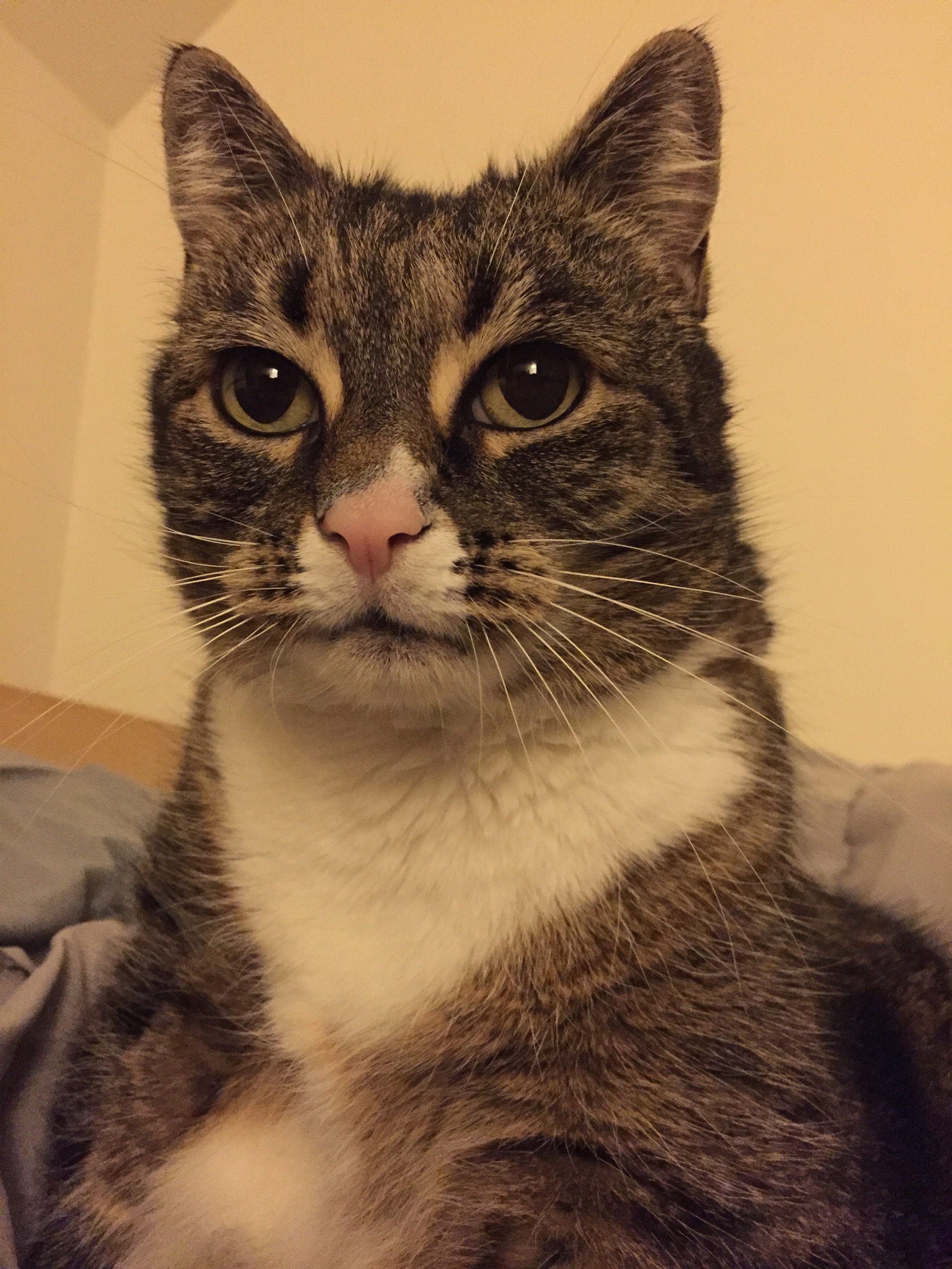
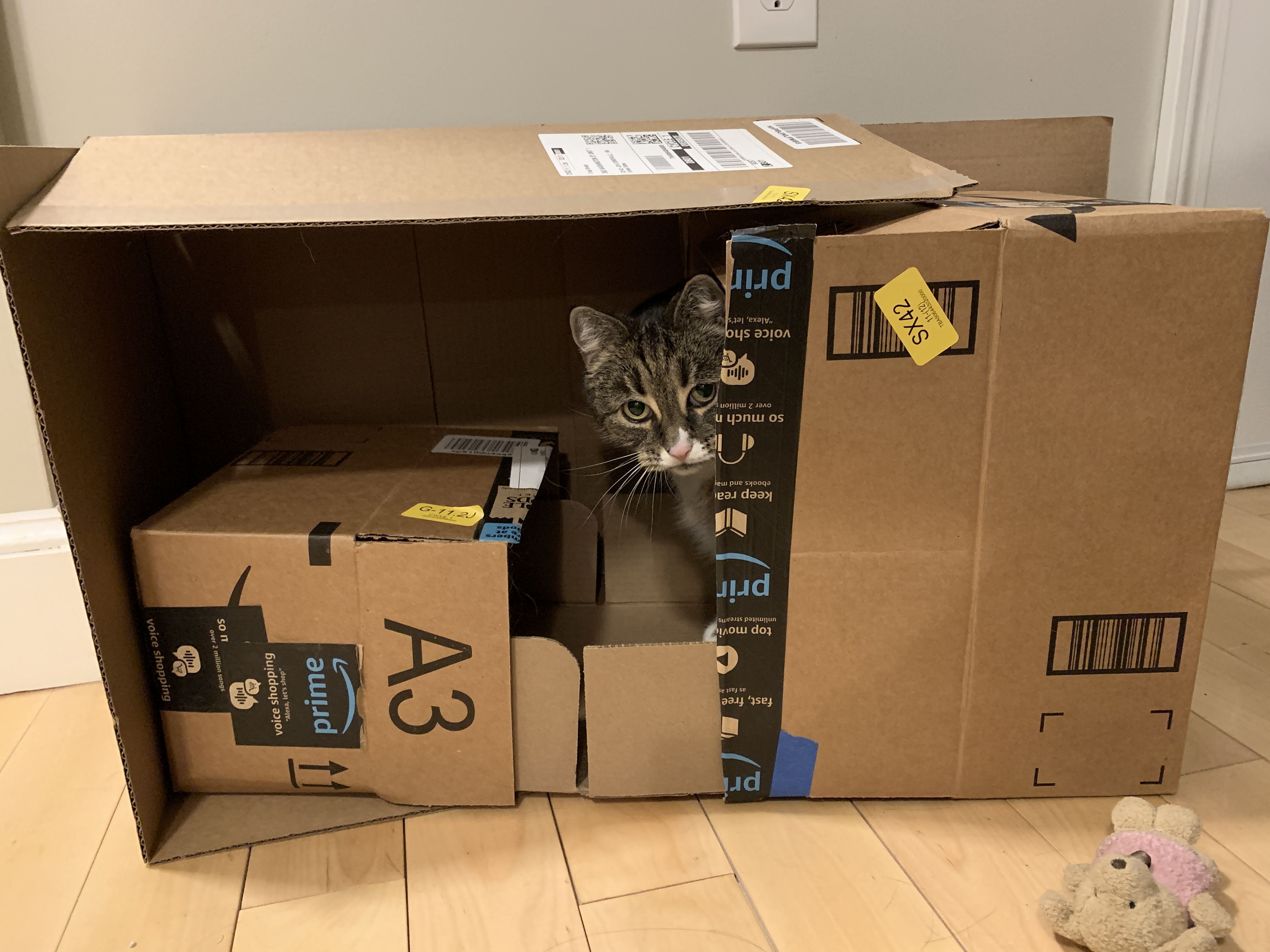
Here are some of my favorite photos of Aayla that I’ve collected over the years. The last three were taken by my friends while I was away on the west coast.

Kitten Aayla
Resting
Hide and Seek
Her least favorite halloween
supermodel
Nap time
Outside time
Catloaf
Boxfort
Springtime smells

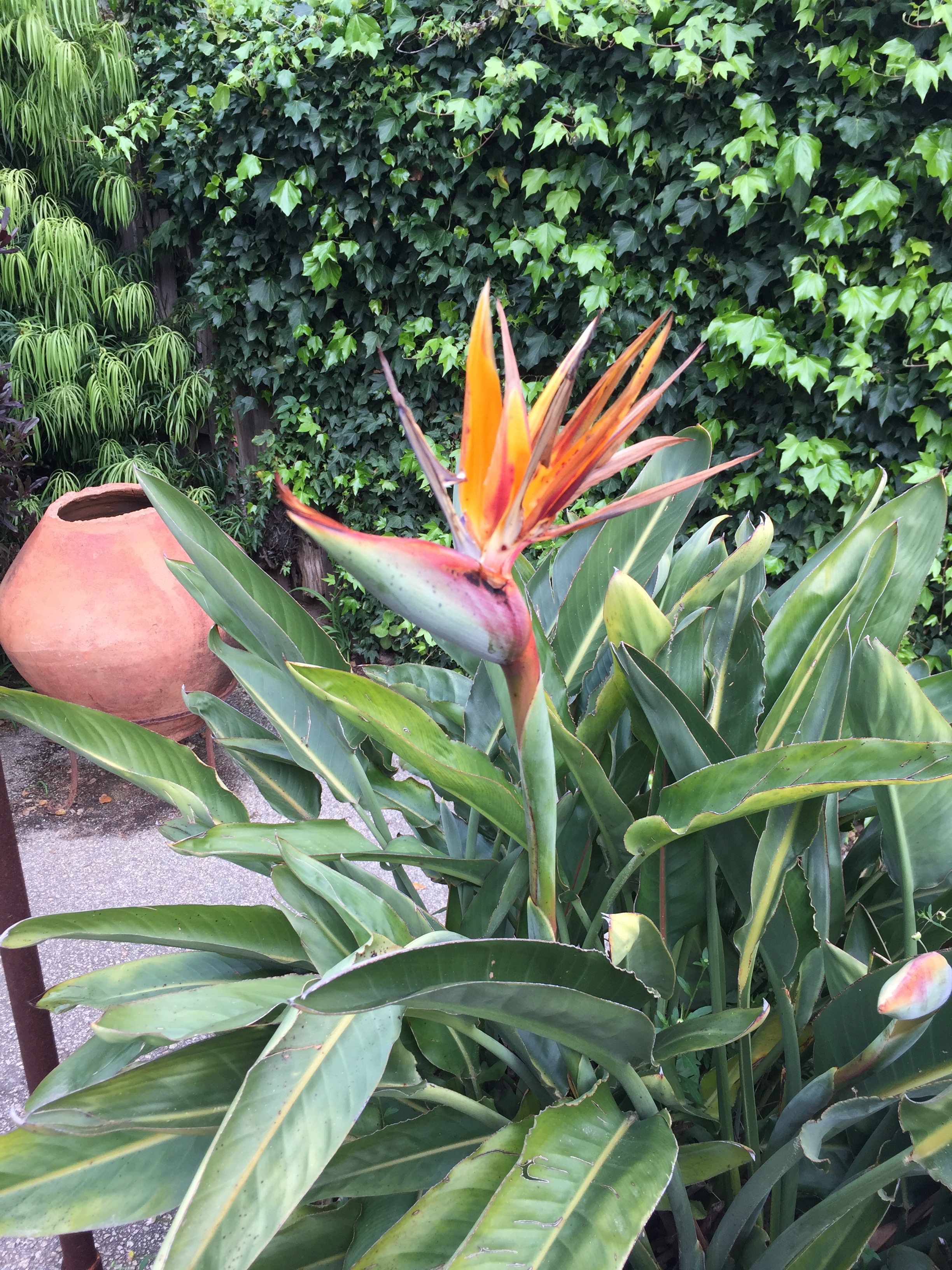
Birds of Paradise

In the gardens outside Nepenthe in Big Sur

Being back in Boston for almost a week now, I have gone to two yoga classes and learned how much flexibility I lost over the past month or so—noting, of course, that I didn’t have very much to begin with). One particular pose, called the bird of paradise, is named after a family of very colorful birds in Oceania and Southeast Asia. It’s a pose that I currently lack the flexibility and balance to enter—attempts usually end with me falling on the floor within a few seconds. During my travels in Southern California, I came across an intriguing plant, that kind of reminded me of a colorful bird. I later found out that the plant is called a bird of paradise. The Strelitzia reginae is originally from southern Africa, but somehow made it’s way into many southern California gardens.

On Personality Tests

Driving along the pacific coast highway, often with no cell service, I had a lot of time by myself, where I could only look out the window, listen to whatever I had downloaded on my phone, and think. While I have mentioned that the Star Wars soundtracks make great musical companions to scenery similar to the movies, such as Big Sur or the Redwood Parks, I spent a lot of time listening to podcasts.

One podcast in particular had an episode about personality tests and the cultural impact they have. Hidden Brain, hosted by Shankar Vedantam, is among my favorite podcasts, and I rarely miss an episode. As a side note, each episode ends by asking the listener, if they enjoyed the episode, to tell a friend about it. Since I rarely tell a friend about each episode in particular, I am hoping the reach of this post can make up for it.

At least as far as I’ve encountered, people in my world typically associate personality tests with Myers-Briggs Type Indicator. I haven’t taken it myself, but it has four binary metrics—extroversion/introversion, sensing/intuition, thinking/feeling, judging/perceiving—which you are assigned based on answering a series of questions. Interestingly, the podcast opened with the four Harry Potter houses, which roughly align with some of the Myers-Briggs types, and covered Chinese zodiacs as well as some unusual and unexpected cultural impacts from personality types.

(As an aside, I don’t believe that being given a personality type of any kind can reveal anything new about a person. It is merely a description of that which already exists. It can provide some elucidation on how to better communicate with others and how certain people may react to certain situations in general. But making day-to-day to life-changing decisions based upon a personality type or a zodiac seems like an exercise in nonsense.)

Here’s a photo of me in the Redwoods that has nothing to do with this post

Hidden Brain doesn’t paint the Myers-Brigg Type Indicator in the best of light, but it it does take a sober assessment of its promotors and detractors. One person, who had become disillusioned with the test, explained that he took the test and got one result and then a couple months later retook the test and got the exact opposite results on every metric. This story came as no surprise to me, though I was perhaps surprised that it was presenting as surprising.

When these types must choose between two dichotomous metrics, such as thinking/feeling, there’s no apparent room for middle ground. Someone who may fall in the middle, or equally encompasses both types, would get assigned to one or the other with the same probability as a coin flip. I’m quite certain that I would be like this person who gets assigned a different personality type each time he takes the test. For example, a Google search for Myers-Brigg personality test-like questions results in the following:

  • “You often spend time exploring unrealistic yet intriguing ideas.” Uhhh… sometimes… sometimes not.
  • “If your friend is sad about something, your first instinct is to support them emotionally, not try to solve their problem.” Uhhhhhh… it depends on the situation
  • “Your travel plans are more likely to look like a rough list of ideas than a detailed itinerary.” Hmm… usually both to be honest

And of course now the last one here related back to travel and the things that I continued to ponder as I slowly drove around the winding coastal forest roads in the dark. I’m pretty content in most situations. I like being around all sorts of people. In fact, many of my friends are so different enough I have struggled to come up with a coherent guest list for a housewarming party, so I never had a housewarming. To many situations on my trip and in life in general, I say “sure, OK”.

  • “Cabin in the wilderness with no running water or electricity or luxury condo in a high-rise overlooking the city?” Either’s fine.
  • “Wining and dining with the 1%-ers in Napa or hiking the desert with peanut butter and jelly sandwiches?” Both sound good.
  • “Dinner and ice cream connecting with old friends or meeting new people while passing the day away?” Sure.
  • “Communal bed and breakfast or privacy and quiet of a hotel?” I prefer a decent balance of both.
  • “Solo travel alone in nature or exploring a city in a group or with family” Yes, please.

The only trend I could find in my choices while traveling was a state of pervasive indecisiveness. I created a rough timeline of where I needed to be when and who I would likely see, as well as a few must-do things, and then just played it by ear. Most of the time I would just say “yes” to whatever first suggestion I got that sounded interesting.

That mindset is pretty ubiquitous in much the rest of my life. I’m generally pretty content with whatever, so I almost always go with the flow, so to speak. If there’s any lesson to draw from these travel contemplations, it’s that I should be more selective in choosing what I do, saying “no” to things more often.

I, like everyone, have limited time to do things, and if I’m just doing whatever is in front of me, then the odds are low that I am spending my time wisely. No, I am not talking about efficiency and productivity here. Remember that productivity can be dangerous. Sometimes an afternoon is best spend doing nothing or wandering aimlessly. Or really any way to spend a day while being fully aware of it.

This behavior could help explain why I have barely left the house (except to see friends and go to yoga) since returning home three days ago. I’ve spent most of my time reading (Purple Cow by Seth Godin, Learning to Die: Wisdom in the Age of Climate Change by Robert Bringhurst and Jan Zwicky, and Every Time I Find the Meaning of Life, They Change It: Wisdom of the Great Philosophers on How to Live by Daniel Klein), catching up on Game of Thrones and Arrested Development, and writing, all usually with my cat by my side.

It seems that in some ways I lack a type of self-motivation. My internal motivation is stirred by external factors, and left to my own devices, without suggestions, I’ll generally opt to do very little. So, I should probably try a little harder to surround myself with an appropriate amount of mental and social stimulation, while at the same time being more selective in who and what I choose to surround myself with.

I write all these musings in a completely neutral way. I don’t think anything I have said is good or bad. It’s simply an assessment, an analysis from a certain perspective, which I can choose to act on or learn from.

To end, circling back to the idea of personality tests, I will describe one that I actually like: the RHETI Test of the Enneagram Institute. It costs $12 to take and it asks the usual type of vague questions. However, it does not assign you to a dichotomous type. Rather, it starts with nine types, with names reminiscent of dishes at Life Alive, and it assigns you ratings of 0 to 30 (I think that’s the range) of how much you align to each. Within these nine types in a circle, rather than a spectrum, subtlety and ambivalence can emerge. Also, why I like it: unlike zodiacs (which you can read any as relevant to you regardless of your sign), reading the types with low alignments markedly describe personality traits with which you don’t at all identify. It also talks about how each type can grow, as well as what behaviors might emerge when under stress. Useful for the workplace, by reading about the other types, you can learn how to best communicate ideas to brains that think differently from you.

OK. Stay tuned for posts about budgeting for a long road trip and why you should never read David Brooks unless a friend emails you a link.